Published on November 14, 2025
Introduction
Mold and algae often appear on outdoor wood surfaces after periods of prolonged moisture, particularly in shaded or poorly drained areas common in Ontario. These growths not only detract from appearance but can retain water, accelerate decay, and create slippery hazards. Conventional approaches frequently rely on harsh chemicals that pose risks to plants, pets, and soil. This post examines eco-friendly alternatives that effectively remove such buildup while safeguarding the surrounding environment and preserving wood integrity.
Examining the Underlying Causes of Mold and Algae Proliferation
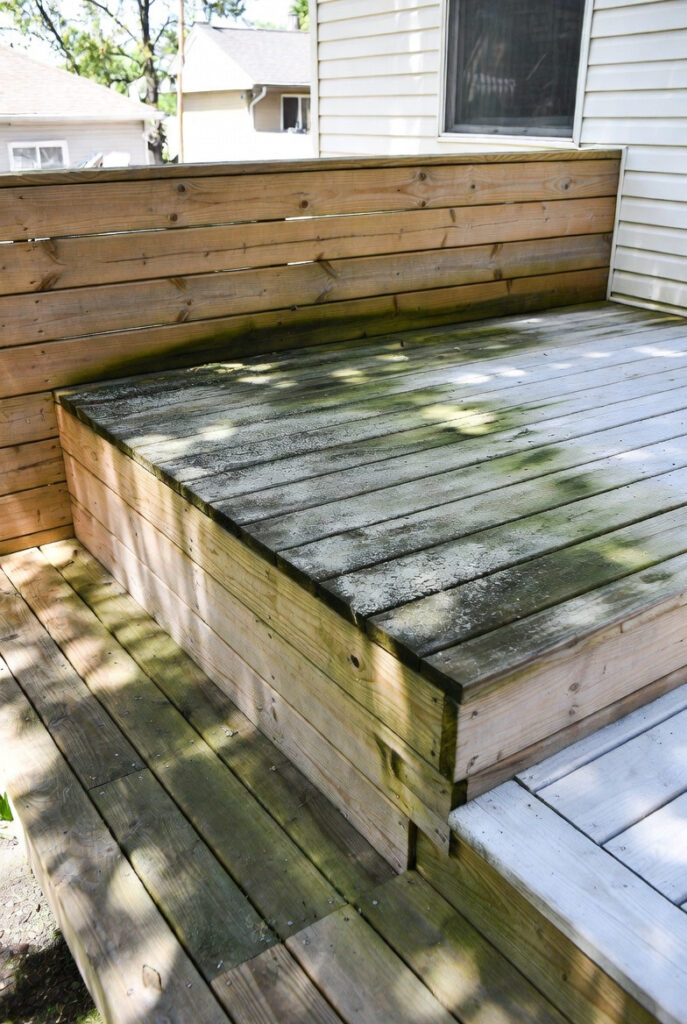
Mold and algae proliferation on decks and fences represents a persistent challenge for homeowners in regions like Ontario, where elevated humidity, insufficient sunlight, and inadequate water runoff create ideal conditions for biological growth on outdoor wood surfaces. These organisms thrive in shaded areas where moisture lingers, often trapped by fallen leaves, organic debris, or poor drainage, leading to the characteristic green or black films that compromise both appearance and structural integrity. In Canadian climates, prolonged winter snow cover and spring thaws exacerbate the issue, as trapped water penetrates wood pores, fostering fungi and algae that feed on the damp environment. As noted on forestviewstaining.com, where over 25 years of experience in exterior wood restoration highlight the rapid return of algae without proper intervention, these growths not only discolor surfaces but also retain additional moisture, accelerating rot and reducing the lifespan of untreated or poorly maintained structures. Supportive evidence from field observations in Toronto projects demonstrates that shaded decks or those near trees accumulate debris, blocking sunlight and preventing natural drying, which aligns with broader industry insights indicating that consistent moisture levels above 20% promote rapid colonization. This problem is particularly evident on pressure-treated lumber and cedar, where natural oils offer some resistance yet fail against persistent dampness. Addressing these underlying factors through eco-friendly approaches to removing mold and algae from decks and fences becomes essential, prioritizing methods that eliminate the growth without introducing harsh chemicals that could exacerbate environmental harm or damage surrounding vegetation. By understanding these causes—humidity, shade, and poor drainage—homeowners can implement preventive strategies, such as improved airflow and regular debris removal, to mitigate recurrence. This foundational knowledge supports sustainable fence maintenance tips and eco-safe wood sealer 2026 practices, ensuring long-term protection for outdoor wood restoration in Ontario without resorting to aggressive interventions that risk plant or pet safety. In essence, recognizing the environmental drivers transforms reactive cleanup into proactive care, preserving both aesthetics and durability.
Contrasting Conventional Chemical Interventions with Sustainable Options
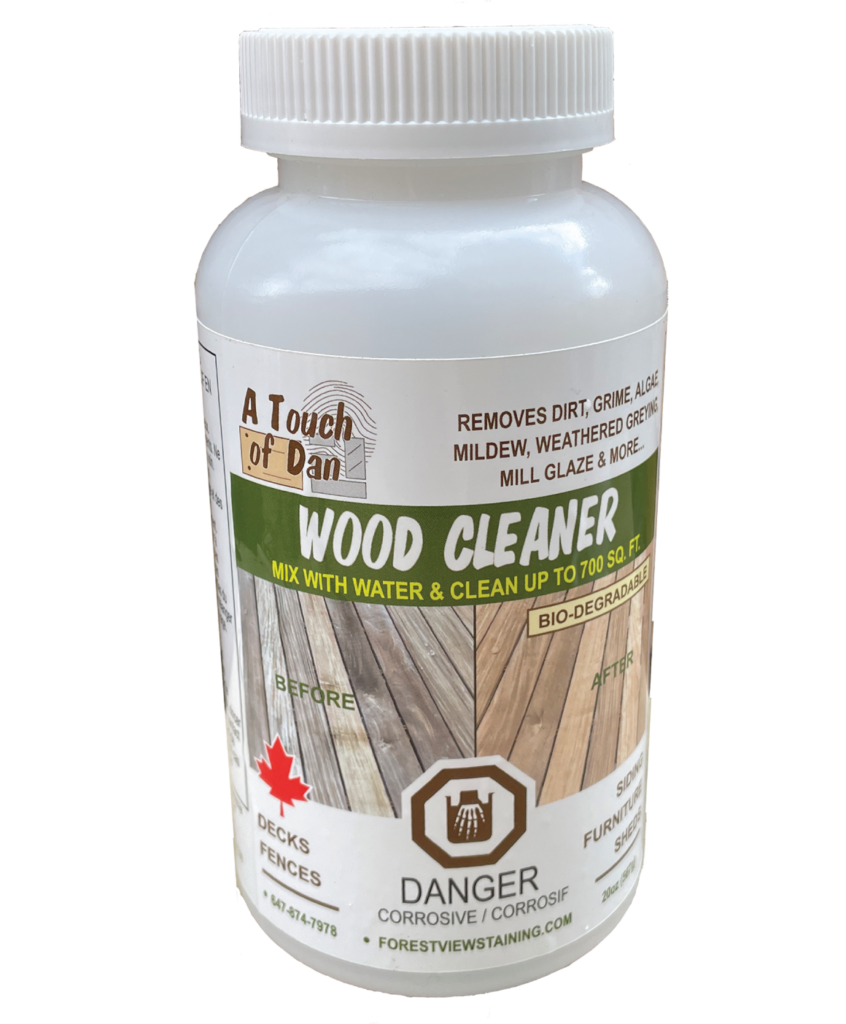
Conventional chemical interventions for mold and algae removal, such as chlorine bleach or sodium hydroxide-based solutions, have long been employed due to their rapid oxidizing power, yet they present significant ecological drawbacks that make them unsuitable for responsible outdoor maintenance. These harsh agents can leach into soil and waterways, harming surrounding vegetation, disrupting local ecosystems, and posing risks to pets or children through residual exposure. In contrast, sustainable options emphasize biodegradable, non-toxic formulations that effectively target biological buildup while preserving environmental integrity and wood health. As emphasized on atouchofdan.com, eco-friendly wood cleaners avoid chlorine bleach and sodium hydroxide entirely, utilizing pH-neutral and biodegradable components that break down naturally without leaving harmful residues. This approach aligns with decades of testing on diverse surfaces, where such products demonstrate efficacy against mold and algae on decks and fences without the stripping or etching often seen with aggressive chemicals. Supportive evidence from Ontario-based restorations, including testimonials on forestviewstaining.com, illustrates how traditional methods frequently result in plant damage or rapid regrowth, whereas eco-conscious alternatives provide thorough removal with minimal environmental impact. Industry observations further support this shift, noting that oxygen-based or plant-derived cleaners offer comparable results to bleach while remaining safe for gardens, pools, and wildlife. By choosing sustainable alternatives, users avoid the pitfalls of runoff contamination and surface degradation, fostering compatibility with subsequent finishes and promoting overall wood longevity. This contrast underscores the merits of eco-friendly approaches to removing mold and algae from decks and fences, integrating seamlessly with low maintenance wood deck staining principles and pH-neutral wood brightener techniques for balanced, responsible care in Canadian climates.
Providing a Sequential Guide to Removal Using Degradable Substances
Providing a sequential guide to removal using degradable substances ensures effective eradication of mold and algae from decks and fences while upholding environmental responsibility and surface safety. Begin by clearing loose debris with a soft brush or low-pressure rinse to expose the affected areas fully, preventing unnecessary agitation of spores. Next, apply a biodegradable solution—such as a pH-neutral wood cleaner diluted per instructions—uniformly across the surface using a pump sprayer, allowing it to dwell for 10-20 minutes to penetrate and break down the biological film without aggressive scrubbing. Follow with gentle agitation using a soft-bristle brush to lift residues, then rinse thoroughly with low-pressure water, directing runoff away from plants and water sources. This method, refined through extensive testing detailed on atouchofdan.com, leverages formulations like Thunder Scrub Detergent to minimize labor while achieving deep cleaning on wood surfaces. Supportive evidence from Toronto restorations indicates that such sequential applications eliminate visible growth effectively, with clients reporting sustained results when paired with proper drying conditions. The process avoids high-pressure damage that could embed spores deeper or gouge fibers, aligning with sustainable cleaning methods for pressure-treated lumber and eco-friendly deck cleaner Canada standards. Post-rinse inspection confirms complete removal, with any persistent spots receiving targeted reapplication. This approach not only targets mold and algae but also prepares surfaces for conditioning, enhancing adhesion for protective finishes. By incorporating these steps, homeowners achieve professional-grade outcomes without compromising plant safety or ecological balance, reflecting the practical guidance in earlier writings on avoiding needless spending through thoughtful, degradable methods.
Recommending Preventive Actions
Recommending preventive actions against mold and algae regrowth on decks and fences focuses on creating conditions inhospitable to biological proliferation while maintaining structural and aesthetic integrity. Enhance airflow by ensuring adequate spacing beneath structures and trimming overhanging vegetation to allow sunlight penetration, as shaded, damp areas accelerate growth. Establish routine upkeep schedules, such as seasonal debris removal and gentle cleaning every spring and fall, to eliminate organic matter that traps moisture. Apply protective sealers or wood conditioners post-cleaning to repel water and inhibit spore adhesion, extending intervals between interventions. As highlighted on forestviewstaining.com, where experience shows that consistent maintenance prevents rapid recurrence in Ontario’s humid conditions, these measures reduce reliance on reactive treatments. Supportive evidence from practical applications demonstrates that improved drainage—via proper grading or gutter redirection—combined with eco-friendly wood finishes, significantly lowers moisture retention and biological activity. This aligns with sustainable fence maintenance tips, incorporating pH-neutral solutions to preserve wood’s natural balance without introducing contaminants. Regular inspections identify early signs, enabling prompt, low-impact corrections. By integrating these preventive strategies, surfaces remain resilient against environmental factors, supporting long-term outdoor wood restoration Ontario efforts and minimizing environmental impact through reduced chemical use.
Detailing Application Safeguards
Summarizing the Merits of Ecologically Sound Methods
Summarizing the merits of ecologically sound methods for mold and algae removal highlights their advantages in sustaining surface vitality and adhering to conservation norms. These approaches deliver effective elimination of biological accumulations without introducing persistent toxins, allowing natural breakdown and minimizing ecological footprint. They preserve wood integrity by avoiding surface etching or fiber damage associated with harsh chemicals, promoting longer intervals between maintenance cycles. In Ontario’s variable climate, such methods support resilient outdoor structures by maintaining natural pH balance and compatibility with protective finishes. Testimonials on forestviewstaining.com and product testing on atouchofdan.com illustrate superior longevity and client satisfaction, with reduced regrowth when combined with preventive care. These practices align with broader sustainability goals, protecting biodiversity around homes while delivering professional results. Ultimately, embracing ecologically sound methods transforms routine maintenance into an environmentally responsible endeavor, ensuring durable, attractive decks and fences for years to come.
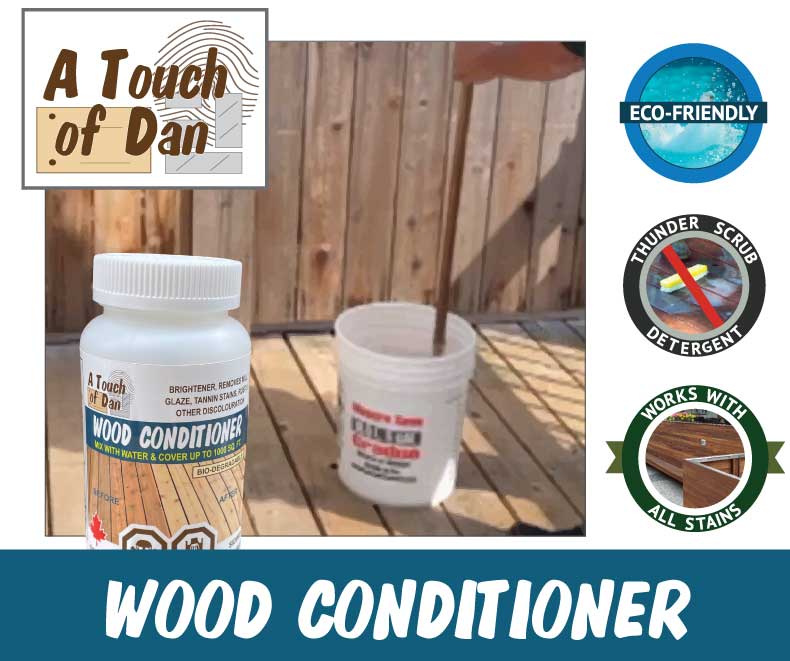
Detailing application safeguards during mold and algae removal ensures protection for vegetation, domestic animals, and aquatic environments throughout the procedure, reflecting a commitment to responsible practices. Prior to application, cover or relocate nearby plants and create containment barriers to direct runoff away from soil and water sources, preventing unintended exposure to even biodegradable solutions. Wear appropriate protective gear, including gloves, goggles, and respirators, to avoid skin or respiratory contact during mixing and spraying. Apply treatments during calm, dry weather to minimize drift and ensure effective dwell time without rapid evaporation. Rinse thoroughly in controlled directions, using low pressure to contain residues. As noted on our products page, these products are formulated for safe outdoor use around gardens and pools, with no harsh chemicals that pose risks to pets or plants when applied correctly. Supportive evidence from restorations documented on forestviewstaining.com confirms that careful safeguards prevent damage to landscaping, with clients praising outcomes free of collateral harm. Test small areas first to verify compatibility, adjusting as needed for specific surfaces. These protocols uphold eco-friendly approaches to removing mold and algae from decks and fences, ensuring compliance with environmental standards while achieving thorough results.
This guide draws from extensive practical experience in exterior wood restoration to offer clear, step-by-step advice on addressing mold and algae on decks and fences. Much of the content is based on personal observation and field results accumulated over more than 25 years, with every reasonable effort made to ensure accuracy. As noted in earlier writings, use this information thoughtfully, adjusting for your specific conditions, and recognize that it is intended to inform responsibly rather than replace professional judgment or common sense.
Copyright © 2007 Dan Schwade. All rights reserved worldwide. For more insights or products, visit forestviewstaining.com or atouchofdan.com.